In today’s digital world, cybercriminals no longer rely solely on sophisticated malware or advanced hacking tools to gain access to sensitive information. Instead, many attacks focus on something much easier to exploit: human psychology. Even the most secure computer systems can become vulnerable if a user is tricked into voluntarily revealing passwords, financial details, or confidential information.
One of the most common and dangerous forms of cybercrime that takes advantage of human behavior is phishing.
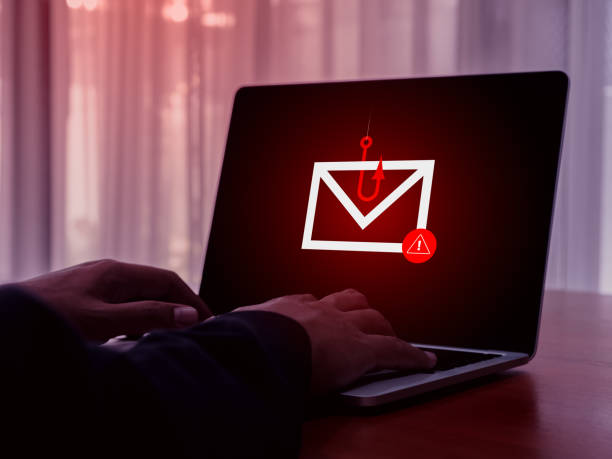
Phishing is a type of cyberattack that uses deception, impersonation, and social engineering to trick people into revealing sensitive information or performing actions that benefit attackers. Instead of breaking into systems through technical vulnerabilities, phishing attacks manipulate trust, fear, urgency, curiosity, and human emotions.
Over the years, phishing has evolved from simple email scams into highly sophisticated campaigns targeting individuals, businesses, governments, and organizations worldwide. Cybercriminals use phishing to steal passwords, banking credentials, credit card information, personal data, cryptocurrency assets, and even corporate secrets.
Despite advancements in cybersecurity technology, phishing remains one of the most successful attack methods because it targets the weakest link in many security systems: people.
This article explores what phishing is, how it works, why it is so effective, the various types of phishing attacks, their consequences, and the best ways to protect yourself and your organization from becoming a victim.
What Is Phishing?
Phishing is a cybercrime technique in which attackers impersonate trusted individuals, organizations, or services to trick victims into revealing sensitive information or taking harmful actions.
The term “phishing” is derived from the word “fishing” because attackers cast a wide net hoping that some victims will “take the bait.”
A phishing attack may attempt to steal:
- Usernames
- Passwords
- Banking credentials
- Credit card numbers
- Personal information
- Social Security numbers
- Company data
- Cryptocurrency wallet details
- Authentication codes
In many cases, phishing messages appear to come from legitimate sources such as:
- Banks
- Government agencies
- Employers
- Online retailers
- Social media platforms
- Technology companies
Victims often believe they are interacting with a trusted entity when, in reality, they are communicating with cybercriminals.
Why Phishing Is So Dangerous
Phishing remains one of the most dangerous cybersecurity threats because it bypasses many traditional technical defenses.
Rather than attacking software directly, phishing attacks target human behavior.
Even if an organization has:
- Firewalls
- Antivirus software
- Encryption
- Intrusion detection systems
A successful phishing attack can still provide attackers with access to valuable information.
Phishing is dangerous because:
- It is easy to launch.
- It is inexpensive for attackers.
- It can target millions of people simultaneously.
- It often appears legitimate.
- It exploits human trust.
- It can lead to significant financial losses.
Many major data breaches and ransomware attacks begin with a simple phishing email.
Understanding Social Engineering
To understand phishing, it is important to understand social engineering.
Social engineering is the psychological manipulation of people into performing actions or revealing information.
Instead of exploiting technical weaknesses, social engineers exploit human emotions and behavior.
Common emotions targeted include:
- Fear
- Urgency
- Trust
- Curiosity
- Excitement
- Greed
For example, a phishing email might claim:
“Your account will be suspended within 24 hours unless you verify your information immediately.”
The message creates urgency and fear, encouraging the victim to act without carefully examining the request.
Phishing is essentially a form of social engineering conducted through digital communication channels.
The History of Phishing
Phishing has existed since the early days of the internet.
Early Online Scams
In the 1990s, attackers began targeting users of online services by posing as legitimate support representatives.
Victims were tricked into revealing passwords and account information.
Email-Based Attacks
As email became widespread, phishing attacks expanded rapidly.
Cybercriminals discovered that sending fraudulent emails to large numbers of users could generate significant profits.
Modern Phishing Campaigns
Today’s phishing attacks are far more sophisticated.
Attackers often:
- Research their targets
- Create convincing fake websites
- Mimic corporate branding
- Personalize messages
- Use stolen information
Modern phishing campaigns can be extremely difficult to distinguish from legitimate communications.
How Phishing Works
Most phishing attacks follow a similar process.
Step 1: Creating the Bait
Attackers craft a message designed to attract attention.
Examples include:
- Security alerts
- Account warnings
- Package delivery notifications
- Tax refunds
- Prize announcements
Step 2: Establishing Trust
The message impersonates a trusted source.
This may include:
- Company logos
- Official language
- Familiar branding
- Real employee names
Step 3: Prompting Action
Victims are encouraged to:
- Click a link
- Open an attachment
- Download a file
- Enter credentials
- Provide financial information
Step 4: Data Collection
The victim unknowingly provides information to the attacker.
Step 5: Exploitation
The stolen information is used for:
- Identity theft
- Financial fraud
- Account takeovers
- Corporate espionage
- Further cyberattacks
Common Goals of Phishing Attacks
Attackers use phishing for various objectives.
Credential Theft
One of the most common goals is stealing login credentials.
These credentials may provide access to:
- Email accounts
- Social media accounts
- Banking services
- Business systems
Financial Fraud
Attackers often seek direct financial gain through:
- Unauthorized transfers
- Credit card theft
- Banking fraud
Identity Theft
Personal information can be used to impersonate victims.
Malware Distribution
Phishing emails frequently deliver malicious software.
Corporate Espionage
Organizations may be targeted for confidential information or trade secrets.
Types of Phishing Attacks
Phishing exists in many forms.
Email Phishing
Email phishing is the most common type.
Attackers send fraudulent emails pretending to be legitimate organizations.
Examples include:
- Banking alerts
- Password reset requests
- Account verification notices
The goal is usually to trick recipients into clicking malicious links or providing sensitive information.
Spear Phishing
Spear phishing targets specific individuals or organizations.
Unlike mass phishing campaigns, spear phishing is highly personalized.
Attackers may use:
- Names
- Job titles
- Company information
- Social media data
Personalization makes these attacks more convincing.
Whaling
Whaling targets high-profile individuals such as:
- CEOs
- Executives
- Government officials
Because these individuals often have access to valuable information and resources, they are attractive targets.
Clone Phishing
In clone phishing, attackers copy a legitimate email and modify it slightly.
They replace legitimate links or attachments with malicious versions.
Recipients may believe the message is genuine because it closely resembles an original communication.
Business Email Compromise
Business Email Compromise (BEC) attacks involve impersonating trusted business contacts.
Attackers may pretend to be:
- Executives
- Vendors
- Partners
- Employees
The goal is often to convince victims to transfer money or disclose sensitive information.
BEC attacks have caused billions of dollars in losses worldwide.
Smishing
Smishing is phishing conducted through SMS text messages.
Examples include messages claiming:
- Package delivery problems
- Account verification requests
- Banking alerts
Recipients are encouraged to click malicious links or provide information.
Vishing
Vishing refers to voice phishing.
Attackers use phone calls to impersonate:
- Banks
- Government agencies
- Technical support teams
Victims may be pressured into revealing sensitive information.
Social Media Phishing
Attackers increasingly use social media platforms to target users.
Methods include:
- Fake accounts
- Fraudulent messages
- Malicious links
Social media phishing often exploits trust between online contacts.
Common Phishing Techniques
Cybercriminals use numerous tactics to make phishing attacks successful.
Fake Websites
Attackers create websites that closely resemble legitimate services.
Victims enter credentials believing they are using a trusted site.
URL Spoofing
Malicious websites often use deceptive web addresses.
For example:
A fake site may use:
“secure-bank-login.com”
instead of the actual bank website.
Small differences can easily go unnoticed.
Urgent Warnings
Phishing messages frequently create a sense of urgency.
Examples include:
- Account suspension warnings
- Security alerts
- Expiring offers
Urgency reduces the likelihood that victims will carefully evaluate the message.
Emotional Manipulation
Attackers exploit emotions such as:
- Fear
- Excitement
- Curiosity
- Sympathy
Emotional reactions often lead to impulsive decisions.
Malicious Attachments
Attachments may contain:
- Malware
- Ransomware
- Spyware
- Trojans
Opening the file can compromise the victim’s device.
Why People Fall for Phishing
Many people assume only inexperienced users become phishing victims.
In reality, anyone can be targeted successfully.
Several factors contribute to phishing success.
Trust
People naturally trust familiar brands and organizations.
Time Pressure
Busy users often skim messages rather than carefully examining them.
Lack of Awareness
Many users do not recognize phishing indicators.
Emotional Responses
Fear and urgency can override rational decision-making.
Increasing Sophistication
Modern phishing attacks can be highly convincing.
Even experienced professionals occasionally fall victim.
Warning Signs of a Phishing Attempt
Recognizing phishing indicators is a critical defense.
Common warning signs include:
Unexpected Requests
Be cautious of unsolicited requests for sensitive information.
Urgent Language
Messages demanding immediate action should raise suspicion.
Suspicious Links
Hovering over links often reveals unexpected destinations.
Poor Grammar
Many phishing messages contain spelling or grammatical errors.
Generic Greetings
Messages addressed to “Dear Customer” may indicate phishing.
Unusual Sender Addresses
Email addresses may look similar to legitimate ones but contain subtle differences.
Requests for Credentials
Legitimate organizations rarely ask for passwords via email.
Phishing and Credential Theft
Credential theft is among the most common outcomes of phishing.
Stolen credentials can provide access to:
- Email systems
- Corporate networks
- Financial accounts
- Cloud services
Attackers often reuse stolen credentials across multiple platforms.
This increases the potential damage.
Phishing and Identity Theft
Phishing frequently leads to identity theft.
Stolen information may include:
- Names
- Birth dates
- Addresses
- Identification numbers
Criminals can use this information to:
- Open accounts
- Apply for loans
- Commit fraud
Identity theft can cause long-term financial and personal harm.
Phishing and Financial Fraud
Financial losses are a major consequence of phishing.
Victims may lose:
- Bank account funds
- Credit card balances
- Cryptocurrency holdings
- Business payments
Financial recovery can be difficult and time-consuming.
Phishing and Ransomware
Many ransomware attacks begin with phishing.
Attackers send malicious attachments or links.
When opened, ransomware infects the system and encrypts files.
Victims may face:
- Operational disruption
- Data loss
- Financial demands
This connection makes phishing a significant cybersecurity threat.
Phishing in Businesses
Organizations face substantial phishing risks.
A single successful attack can result in:
- Data breaches
- Financial losses
- Reputation damage
- Regulatory penalties
Businesses invest heavily in phishing prevention and employee training.
Phishing and Remote Work
Remote work has expanded phishing opportunities.
Employees frequently rely on:
- Messaging platforms
- Cloud services
Attackers exploit remote communication channels to target workers.
The distributed nature of remote work can make verification more challenging.
Phishing on Mobile Devices
Mobile users face unique phishing risks.
Small screens make it harder to:
- Inspect URLs
- Verify websites
- Examine sender information
Mobile phishing attacks continue to increase worldwide.
The Psychology Behind Phishing
Phishing succeeds because it leverages predictable human behaviors.
Cybercriminals understand that people often:
- Trust authority figures
- React to urgency
- Seek convenience
- Fear negative consequences
Attackers design messages to trigger these psychological responses.
Understanding these tactics improves resilience.
How Cybersecurity Professionals Fight Phishing
Organizations use multiple defenses against phishing.
Email Filtering
Security systems scan messages for malicious content.
Threat Detection
Advanced tools identify suspicious activity.
Employee Training
Users learn how to recognize phishing attempts.
Multi-Factor Authentication
MFA reduces the effectiveness of stolen credentials.
Security Monitoring
Continuous monitoring helps detect compromised accounts.
Multi-Factor Authentication and Phishing Protection
Multi-factor authentication adds additional security layers.
Even if attackers steal a password, they may still need:
- A verification code
- A hardware token
- A biometric factor
MFA significantly reduces the impact of credential theft.
Security Awareness Training
Education is one of the most effective anti-phishing measures.
Training programs teach users to:
- Identify phishing emails
- Verify requests
- Report suspicious messages
- Avoid risky behavior
Human awareness remains a critical defense.
Phishing Simulations
Many organizations conduct phishing simulations.
Employees receive realistic but harmless phishing messages.
The results help:
- Identify vulnerabilities
- Improve training
- Strengthen security culture
Simulations encourage ongoing vigilance.
What to Do If You Suspect a Phishing Attempt
If you receive a suspicious message:
- Do not click links.
- Do not open attachments.
- Verify the sender independently.
- Report the message.
- Delete it if confirmed malicious.
Caution can prevent compromise.
What to Do If You Become a Victim
If you believe you have fallen for a phishing attack:
Change Passwords Immediately
Update affected accounts as soon as possible.
Enable Multi-Factor Authentication
Add additional security protections.
Notify Relevant Organizations
Contact banks, employers, or service providers.
Monitor Accounts
Watch for unauthorized activity.
Run Security Scans
Check devices for malware infections.
Quick action can limit damage.
The Role of Artificial Intelligence in Phishing
Artificial intelligence is changing phishing attacks.
Attackers use AI to:
- Generate convincing messages
- Personalize campaigns
- Automate targeting
At the same time, defenders use AI to:
- Detect threats
- Analyze patterns
- Improve filtering
AI is becoming a major factor in both attack and defense strategies.
Emerging Phishing Trends
Phishing continues evolving.
Recent trends include:
- Deepfake voice scams
- AI-generated emails
- Social media impersonation
- Cryptocurrency fraud
- Cloud account phishing
Attackers constantly adapt their techniques.
Organizations must remain vigilant.
Best Practices for Preventing Phishing
Individuals can reduce risk by following several security habits.
Verify Requests
Always confirm unusual requests independently.
Examine URLs Carefully
Check website addresses before entering credentials.
Avoid Clicking Unknown Links
Exercise caution with unexpected messages.
Use Multi-Factor Authentication
MFA provides strong protection.
Keep Software Updated
Updates often contain important security fixes.
Use Strong Passwords
Unique passwords limit damage from credential theft.
Stay Informed
Awareness remains one of the best defenses.
The Future of Phishing
Phishing is unlikely to disappear.
As technology evolves, attackers will continue developing new methods.
Future phishing attacks may become:
- More personalized
- More automated
- More convincing
- More difficult to detect
Organizations and individuals must continuously adapt their defenses.
The battle between attackers and defenders will continue shaping the cybersecurity landscape.
Conclusion
Phishing is one of the most widespread and effective forms of cybercrime in the modern digital world. By exploiting human psychology rather than technical vulnerabilities, phishing attacks can bypass many traditional security measures and successfully steal credentials, financial information, personal data, and sensitive organizational information.
From basic email scams to sophisticated spear-phishing campaigns and business email compromise attacks, phishing continues to evolve alongside technological advancements. The increasing use of artificial intelligence, social media platforms, mobile devices, and cloud services has expanded both the opportunities for attackers and the challenges faced by defenders.
Fortunately, phishing is also one of the most preventable cybersecurity threats. Awareness, education, multi-factor authentication, strong security practices, and a healthy level of skepticism can dramatically reduce the likelihood of becoming a victim.
As our dependence on digital communication grows, understanding phishing is no longer optional. It is an essential part of digital literacy and cybersecurity awareness. By recognizing how phishing works and learning how to identify its warning signs, individuals and organizations can better protect themselves from one of the most persistent threats in the online world.